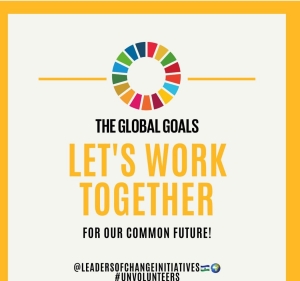
Photo Credit: United Nations
We need action now. Real change begins in our communities—when local voices, national leaders, and global partners work together. The time for promises is over; the time for action is here. ✊🌱 #SDGMonth #GlobalGoals #ActNow #CommunityAction #SustainableDevelopment
The Time for Action is Now: Reflecting on the Sustainable Development Goals
In this article, we reflect on the United Nations Sustainable Development Goals (SDGs) and what they mean for our societies. Adopted on September 25, 2015, by the United Nations and its member states, the SDGs set out a 15-year plan to guide global efforts up to 2030. These 17 goals are a universal call to action to end poverty and inequality, protect the environment, and ensure that all people everywhere can live in peace and prosperity.
The SDGs address almost every aspect of human life and the planet’s well-being: from eradicating poverty and hunger, to achieving gender equality, protecting natural resources on land and in the oceans, tackling climate change, creating sustainable economies, and promoting good governance and peace. Let us take a closer look at what each goal represents.
SDG 1: No Poverty
Poverty is more than just a lack of money. It is also the absence of access to basic needs such as food, clean water, safe housing, education, and healthcare. This goal seeks to eradicate extreme poverty everywhere and to improve the lives of millions. Poverty affects people across the world, and situations such as wars or natural disasters make the problem worse. Ending poverty requires solidarity and a commitment to support those most in need.
SDG 2: Zero Hunger
Hunger is a global challenge that deprives people of the nutrients necessary to grow and live healthy lives. This goal aims to eliminate hunger, ensure food security, promote better nutrition, and encourage sustainable farming. Achieving zero hunger requires local, national, and international cooperation, as well as support for developing countries to improve food production. Everyone has a role to play in creating a world where no one goes to bed hungry.
SDG 3: Good Health and Well-Being
Health is a foundation for development and human dignity. This goal focuses on ensuring that all people can live healthy lives, both physically and mentally. From access to healthcare and maternal support, to mental health advocacy, improving well-being requires joint action from governments, organizations, and communities. At Leaders of Change, we continue to advocate for mental health as a vital part of this global commitment.
SDG 4: Quality Education
Education is a human right and a powerful tool for transformation. It provides knowledge, skills, and social values that allow people to better understand and improve their communities. This goal emphasizes inclusive, equitable, and quality education for children, adolescents, and adults alike. Equal access to education empowers people of all ages and backgrounds, helping societies grow stronger and fairer.
SDG 5: Gender Equality
Gender equality means treating everyone with respect and fairness, regardless of gender. It is both a basic human right and a key ingredient for building peaceful and sustainable communities. Achieving equality requires reviewing laws, challenging harmful traditions, and promoting policies that protect women and girls—who are often the most vulnerable to inequality. Recognizing that we are different but equally valuable is the first step toward a fairer world.
SDG 6: Clean Water and Sanitation
Water is essential for all forms of life. Clean water and proper sanitation are necessary for good health, dignity, and development. This goal calls for improved systems that provide safe and accessible water while reducing pollution. Caring for our water resources also means caring for the planet, as clean ecosystems sustain human life and biodiversity.
SDG 7: Affordable and Clean Energy
Access to energy is a driver of development. This goal ensures that everyone, no matter where they live, has access to reliable and sustainable energy. It also calls for increased energy efficiency and investment in clean technologies that reduce pollution. Expanding renewable energy sources not only supports economic growth but also protects the environment for future generations.
SDG 8: Decent Work and Economic Growth
A decent job is one that respects fundamental rights, provides fair pay, and ensures safe working conditions. Economic growth should go hand in hand with human dignity and environmental responsibility. Decent work helps people escape poverty, while innovation and technological progress can create new opportunities. However, development must remain fair and sustainable, protecting both workers and the planet.
SDG 9: Industry, Innovation, and Infrastructure
Strong infrastructure, resilient industries, and innovation are key to sustainable growth. This goal encourages investment in sustainable technologies, scientific research, and reliable infrastructure that supports trade, communication, and access to services. Innovation drives progress and creates opportunities for communities to thrive. Building resilient systems ensures that societies can adapt to change and recover from crises.
SDG 10: Reduced Inequalities
Inequality exists both within and between countries. This goal promotes social, economic, and political inclusion for everyone, regardless of age, gender, disability, race, or background. Reducing inequality means giving equal opportunities to all and ensuring that the most vulnerable are protected. By creating fairer systems, societies can become more just and inclusive.
SDG 11: Sustainable Cities and Communities
As more people move into urban areas, it is important to make cities safe, inclusive, and environmentally friendly. This goal promotes affordable housing, accessible public transport, green spaces, and sustainable urban planning. Creating resilient communities means designing cities that support both people and the planet.
SDG 12: Responsible Consumption and Production
This goal encourages us to use resources wisely and reduce waste. Responsible consumption and production mean making choices that protect the environment and ensure sustainability for future generations. From reducing food waste to promoting recycling and cleaner industries, this SDG highlights the need for balance between human needs and the planet’s resources.
SDG 13: Climate Action
Climate change is one of the greatest threats facing humanity. This goal calls for urgent action to reduce greenhouse gas emissions, adapt to changing environments, and protect those most vulnerable to climate disasters. Everyone has a role to play, from governments and industries to individuals, in ensuring a sustainable and climate-resilient future.
SDG 14: Life Below Water
Oceans and seas provide food, regulate the climate, and support biodiversity. This goal focuses on reducing marine pollution, protecting ecosystems, and promoting sustainable fishing. Healthy oceans are essential for the survival of communities and species around the world. Protecting life below water ensures that future generations can also benefit from this vital resource.
SDG 15: Life on Land
Forests, soils, and biodiversity are crucial for life on Earth. This goal seeks to protect, restore, and promote sustainable use of land ecosystems. Deforestation, desertification, and biodiversity loss threaten human survival and the planet’s balance. Sustainable management of forests, wetlands, and wildlife is key to preserving life on land.
SDG 16: Peace, Justice, and Strong Institutions
Peaceful and inclusive societies are the foundation of sustainable development. This goal calls for the promotion of justice, human rights, and strong institutions that are transparent, accountable, and free from corruption. Ending violence, protecting freedoms, and ensuring access to justice are vital for building resilient communities.
SDG 17: Partnerships for the Goals
The SDGs can only be achieved through strong global partnerships. This goal emphasizes cooperation between governments, the private sector, civil society, and communities. By working together, sharing resources, and supporting one another, the world can move closer to achieving all 17 goals by 2030.
Conclusion
The Sustainable Development Goals are not only a global plan but also a shared responsibility. Each goal highlights an area where action is urgently needed, but together they remind us that lasting change requires unity, compassion, and determination. As individuals, communities, and organizations, we all have a role to play in creating a better and fairer world.
References
United Nations. Sustainable Development Goals. https://www.globalgoals.org
 United Nations