Education: Giving Wings to Dreams
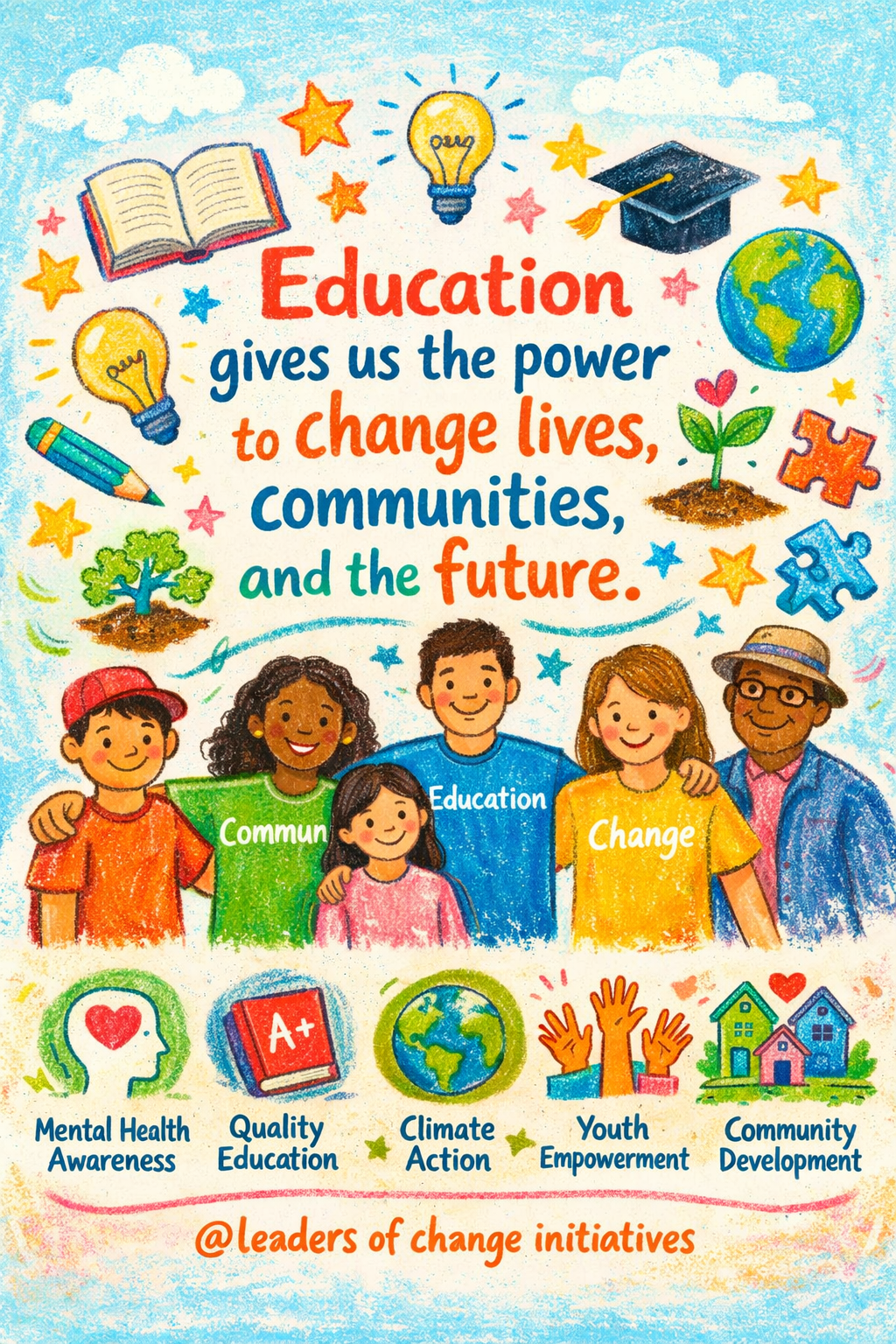
“A person without education is like a bird without wings.” Education gives people the power to rise, to dream, and to shape their own future.
Every year on 24 January, the world marks the International Day of Education—a global call to action that reminds us of the critical role education plays in building peaceful, inclusive, and sustainable societies. While the day has passed, its message remains urgent and relevant every single day.
Education is not only about classrooms, textbooks, or exams. It is about people. It is about opportunity. And it is about creating a future where no one is left behind.
What Is the International Day of Education?
The International Day of Education was established by the United Nations to highlight education as a fundamental human right and a powerful driver of peace, development, and social progress. It aligns closely with Sustainable Development Goal 4, which calls for inclusive, equitable, and quality education for all.
Education is one of the strongest tools we have to address global challenges—from poverty and inequality to climate action and social cohesion.
Why Education Matters
Education has the power to transform lives and communities. It:
-
Unlocks individual potential
-
Opens doors to economic and social opportunities
-
Empowers people to make informed decisions
-
Strengthens communities and nations
-
Promotes peace, tolerance, and understanding
When people are educated, societies become more resilient, innovative, and just.
Challenges in the Education Sector
Despite progress, millions of people around the world still face serious barriers to education. Some of the key challenges include:
Access to Education
Many children and young people are still excluded from basic education due to poverty, conflict, geographic isolation, and lack of resources.
Quality of Education
Access alone is not enough. In some settings, education systems are under-resourced, leading to overcrowded classrooms, limited learning materials, and inadequate support for learners.
Discrimination and Exclusion
Certain groups—including girls, children with disabilities, and marginalized communities—continue to face discrimination within education systems, limiting their opportunities to learn and thrive.
These challenges remind us that education must be inclusive, safe, and empowering for everyone.
Education Beyond the Classroom
Education is not just about passing exams. It is about building life skills and confidence. Strong education systems help individuals to:
-
Gain knowledge and understanding
-
Develop practical and problem-solving skills
-
Learn respect, teamwork, and collaboration
-
Build confidence, character, and personal identity
These elements are essential not only in school, but also in the workplace and in everyday life.
The Role of NGOs, Youth, and Communities
Non-governmental organizations, activists, youth groups, and community leaders play a vital role in advancing education. This can be done by:
-
Sharing knowledge and information
-
Supporting education-focused initiatives
-
Raising awareness about the importance of learning
-
Telling real stories of growth, resilience, and success
Sometimes, one shared story is enough to inspire someone to return to school, pursue a dream, or believe in their own potential.
Education as a Tool for Social Change
Education helps to reduce poverty and inequality. It builds stronger, healthier societies and creates pathways for sustainable development. When people are educated, they are better equipped to contribute positively to their communities and to global goals.
As advocates, partners, and UN volunteers, we recognize education as a cornerstone for meaningful change and long-term impact.
Our Commitment
As an organization, we continue to advocate for quality, inclusive, and accessible education for all. We believe that learning should empower people at every stage of life—at school, at work, and beyond.
We invite everyone to reflect on this question:
What are the most important skills and values we should be learning—both in education and in the workplace?
Our commitment remains rooted in collaboration, advocacy, and action—working together to ensure that education truly becomes a bridge to opportunity, dignity, and a better future for all.